

Gupt Navratri 2025 – Which Goddess Will Be Worshipped?

7541

Puja
When is Gupt Navratri and Which Goddess Will Be Worshipped?
Navaratri holds special significance in goddess worship. According to scriptures, there are four Navratris in a year. The Sharad Navaratri and Chaitra Navaratri are celebrated on a large scale. In addition to these, there are two more Navratris during the months of Magha and Ashadha, which are known as Gupt Navratri.
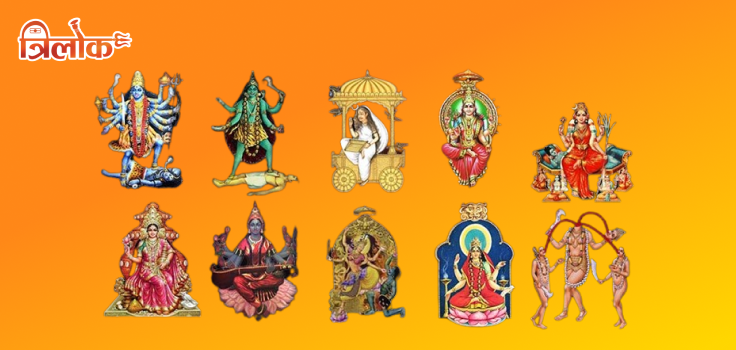
Typically, during Gupt Navaratri, the Sadhna or puja of tantric goddesses is performed. However, common devotees also observe rituals during this time to please the goddess. Basant Panchami will be celebrated on the fifth day of Gupt Navratri. The worship of the Ten Mahavidyas is an important part of the rituals during Gupt Navaratri.

When is Gupt Navratri in 2025?
In 2025, Gupt Navratri will be observed from June 26th to July 4th, 2025.
Gupt Navratri Auspicious Time (Shubh Muhurat)
Start of Gupt Navratri: Thursday, June 26, 2025
End of Gupt Navaratri: Friday, July 4, 2025
Kalash Sthapana (Installation Time): 05:44 AM to 7:15 AM
Abhijit Muhurat for Kalash Sthapana: 12:03 PM to 12:57 PM
Importance of Gupt Navratri
Gupt Navaratri is particularly significant for tantrics and ascetics who perform special rituals to please Maa Durga. It is believed that during this period, tantrics worship the Ten Mahavidyas to attain siddhis (spiritual powers) and tantric siddhis. It is also believed that the more secretive the worship of the goddess during Gupt Navratri, the more fruitful the results.

The Ten Mahavidyas Worshipped During Gupt Navratri
Maa Kali
According to legend, during the battle with Mahishasura, Maa Durga’s anger manifested as Kali, a dark, powerful form with ten arms. Kali’s intense form represents ultimate destruction and transformation.
Maa Tara
Maa Tara is known as the goddess of tantric powers and is believed to help people overcome their obstacles. Some legends say she nourished Lord Shiva when he consumed poison.
Tripur Sundari
During the divine war, Tripur Sundari used her beauty to control the demons. Her worship is said to grant devotees extraordinary powers and divine beauty. Lalita Sahasranama is chanted during her worship.
Bhwaneshwari
Worship of Maa Bhwaneshwari during Gupt Navaratri is believed to bring power, prosperity, and knowledge. She is considered the mother of the entire universe.
Maa Chinnamasta
Known for her self-sacrifice, Maa Chinnamasta is depicted as cutting off her own head to feed her devotees. She is the goddess of protection and nourishment.
Tripur Bhairavi
Tripur Bhairavi has four arms and three eyes. Her worship grants success in matters of career, fortune, and health.
Maa Dhumavati
When Maa Parvati became angry and swallowed Lord Shiva, she assumed the form of Maa Dhumavati, representing loss and desire. She is the goddess of widowhood and wisdom.
Maa Baglamukhi
Baglamukhi is known for her power to paralyze or bind the enemy. Baglamukhi Puja is said to be particularly effective in overcoming adversaries or obstacles.
Maa Matangi
Maa Matangi is worshipped for overcoming difficulties. She represents the outcasts and is considered the goddess of knowledge and arts.

Maa Kamala
Kamala Devi is a form of Maa Lakshmi and is associated with wealth, prosperity, and abundance. Devotees believe that worshiping her brings financial stability and material success.
How to Worship During Gupt Navratri
Like Sharad Navaratri and Chaitra Navaratri, Gupt Navratri also begins with the installation of a Kalash (sacred water pot). Along with Kalash Sthapana, one should recite Durga Chalisa or Durga Saptshati. After this, devotees offer food (Bhog) to the goddess, followed by a ritual Aarti.
During Gupt Navratri, cloves and batashas (sugar cakes) are often offered to the goddess. It is also customary to offer red flowers and a chunari (sacred cloth) to Maa Durga. Tantrics and ascetics often perform their rituals at midnight for greater effectiveness and spiritual progress.

Category

Shop For You
Reports for You
Welcome to Trilok App !