

Guru Purnima 2025 – Date, Significance and Celebration

1873

Astrology, Puja
Guru Purnima 2025 – Date, Significance and Celebration
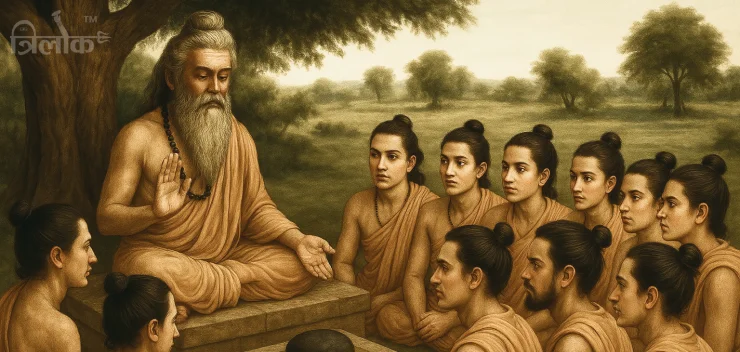
In Indian culture, people consider the Guru to be supreme. Without a Guru, no one can show the path to God. Since Vedic times, people have developed the tradition of worshipping the Guru even before God. Guru Purnima, also known as Vyasa Purnima, expresses this reverence and gratitude toward Gurus. The word “Guru” in Sanskrit means the one who removes darkness (ignorance) and brings the light of knowledge. The full moon day (Purnima) of the Ashadha month is one of the most auspicious days of the year. People celebrate this day as Guru Purnima.
When is Guru Purnima will be celebrate?
In 2025, people will celebrate Purnima on July 11. Although the Purnima Tithi begins on July 10, according to the sunrise-based calendar, Purnima will be observed on July 11.
- Guru Purnima Tithi begins: 10 July 2025 at 01:36 AM
- Guru Purnima Tithi ends: 11 July 2025 at 02:06 AM
Lord Shiva gave Knowledge to Rishis
People celebrate Guru Purnima to honor Lord Ved Vyasa, one of the most revered sages of ancient India. Historical and modern research confirms that Ved Vyasa compiled the four Vedas, wrote the epic Mahabharata, and composed several Puranas. He laid the foundation of India’s sacred educational heritage.
The festival also holds another significance. People believe that on this day, Lord Shiva gave knowledge to the Saptarishis (Seven Sages), making him the first and original Guru. These sages later became seers of the Vedas.
Significance of gurr Purnima
Guru Purnima honors those who remove our ignorance and guide us with wisdom. Since ancient times, Gurus have held a special place in the lives of disciples. Hindu scriptures highlight the importance of Gurus and the sacred bond between a teacher and disciple. A Sanskrit saying, “Mata, Pita, Guru, Daivam” ranks the Guru above even the gods—placing the mother first, then the father, followed by the Guru, and lastly, the deities. People across the world, especially those following Hinduism, Jainism, Sikhism, and Buddhism, observe Guru Purnima to express their gratitude toward their spiritual and academic teachers.
How to Celebrate Guru Purnima
Guru Purnima offers an opportunity to thank and honor Gurus. People usually express their gratitude by worshipping their Gurus like deities. Disciples gather in ashrams and monasteries to pray and offer respects. On this day, people also worship Lord Vishnu and recite the Vishnu Sahasranama, which contains 1,000 names of Lord Vishnu. They aim to gain control over their senses and channel their energy positively.
Guru Purnima 2025: Rituals and Worship Methods
This day revolves around showing respect and gratitude to one’s Guru. Hindu traditions include various methods of worship, and people choose what suits them best. In modern times, many forget the true value of a Guru, but Guru Purnima reminds us of their importance—be it a wise person, a teacher, or even God himself. Start your day by cleansing yourself and worshipping your Guru.
- Steps for Performing Puja Understand the meaning of “Guru”: “Gu” means darkness or ignorance, and “Ru” means the remover of that darkness.So, the Guru removes ignorance from our lives. Begin your day with prayer and respect for your Guru.
If your Guru is physically present, apply tilak to them and perform Aarti. - If not, place a garland on their photo or idol.
- Chant the mantra given by your Guru during the Puja.
- You may dedicate this day to both academic and spiritual teachers.
- Engage in meditation and yogic practices, as this day is ideal for inner focus.
- Take a vow to improve your daily routine and lead a more disciplined, meaningful life.
Beginning of Chaturmas
Guru Purnima also marks the beginning of Chaturmas, a four-month period considered holy in Hinduism. Traditionally, enlightened Gurus would begin a period of spiritual retreat, teachings, and Vedantic discussions during Chaturmas. They would also worship their Gurus and deepen their understanding of Brahma through scriptures composed by Vyasa.
Category

Shop For You
Reports for You
Welcome to Trilok App !