

The 12 Sacrifices of King Vikramaditya
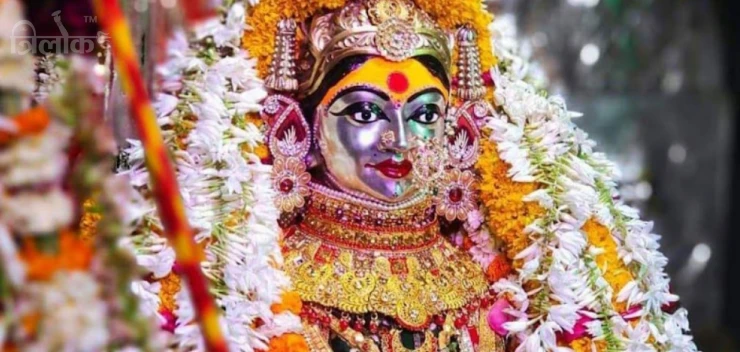
Located in the holy city of Ujjain, just 200 meters from the Mahakal Jyotirlinga, the Harsiddhi Temple is revered as the personal place of penance for King Vikramaditya. The Parmar dynasty worshiped Goddess Harsiddhi as their Kuldevi (family deity).
Legend states that every 12 years, King Vikramaditya would offer his head in sacrifice to the Goddess at this very spot. For eleven consecutive cycles, his head miraculously returned. However, on the twelfth sacrifice, it did not return, signaling the completion of his glorious reign. It is believed that the King attained his status as an emperor and a righteous ruler only after receiving the Goddess’s blessings here.
A Siddha Peetha of Tantric Tradition
Harsiddhi is not just a devotional center but an important hub for Tantric practices and Siddhi Sadhana. The temple houses a sacred Yantra, and according to the Skanda Purana, the Goddess earned the name ‘Harsiddhi’ after slaying the demon Prachand Rakshas. Devotees believe that King Vikramaditya attained the power of the Shri Yantra here, which granted him the wisdom to rule with justice.
The Spectacle of 1100 Lamps
One of the most striking features of the temple complex is the 51-feet-tall lamp pillars. This unique tradition draws thousands of devotees who wish to see their deepest desires fulfilled.
Ritual Requirements:
- Total Lamps: 1,100 lamps lit simultaneously.
- Resources: Approximately 60 liters of oil and 4 kilograms of cotton are used per ritual.
- Significance: Lighting these lamps is a form of deep prayer; the demand is so high that devotees often wait months for their turn.
Navratri and the Sleepless Goddess
The nine days of Navratri transform the atmosphere of the Harsiddhi Temple. During this period, the divinity and spiritual energy are at their peak, accompanied by specific local traditions:
The Mystery of Shayan Aarti
Unlike other times of the year, there is no Shayan Aarti (bedtime ritual) performed during the nine days of Navratri. It is believed that during this period, the Goddess does not sleep, remaining ever-vigilant to bless her devotees. Special offerings made during these days include:
- Pomegranate seeds
- Honey
- Ginger
Conclusion
A visit to the Harsiddhi Temple in Ujjain is a journey into the heart of India’s heroic and spiritual past. From the 1,100 glowing lamps to the echoes of King Vikramaditya’s sacrifices, this Shakti Peetha remains a beacon of power and protection in 2026. Whether you are a seeker of Tantric knowledge or a devotee seeking peace, the Mother of Ujjain offers a refuge for all.