


Maa Chhinnamastika Temple Snapshot
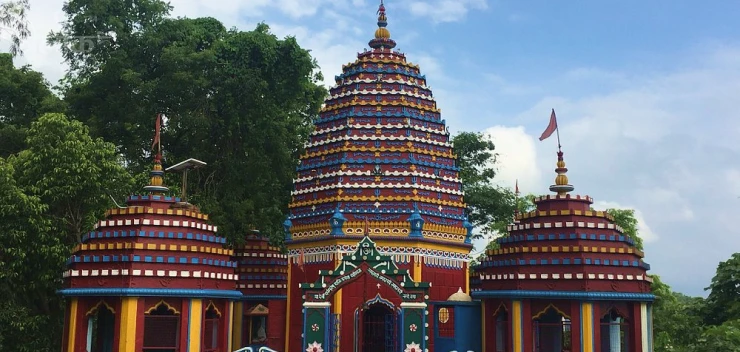
- Location: Rajrappa (80km from Ranchi, Jharkhand)
- Significance: World’s second-largest Shaktipeeth
- Era: Estimated to be 6,000 years old (Mahabharat Era)
- Rivers: Confluence of Bhairavi-Bheda and Damodar
Devotees travel from across the globe to worship the “Headless Mother.” Legend dictates that she severed her own head to satisfy the extreme hunger of her companions, symbolizing the ultimate sacrifice and the nature of life-giving energy.
Sacred Geography: The World’s Second-Largest Shaktipeeth
While Kamakhya in Assam is recognized as the world’s largest Shaktipeeth, the Chhinnamastika Temple at Rajrappa is revered as the second. Its location is a heritage of faith, nestled at the divine confluence where the Bhairavi-Bheda river meets the Damodar river.
The Temple Complex
Beyond the main shrine, the Rajrappa complex is home to seven other significant temples:
- Mahakali and Surya Temples
- Das Mahavidya Temple
- Babadham and Bajrangbali Temples
- Shankar and Virat Roop Temples
The gurgling rivers and the northern wall’s stone slab, where the Mother’s form is inscribed, create an atmosphere of intense spiritual resonance.
The Divine Form of Mata Chhinnamastika
Inside the sanctum, the iconography is both fierce and enlightening. The stone slab depicts the Goddess with three eyes, holding a sword in her right hand and her own severed head in her left.
Key Symbolic Elements:
- Stance: She stands on a lotus, with her left foot extended forward.
- Base: Kamadev and Rati (the deities of desire) lie beneath her feet in the “opposite Rati” posture.
- Adornments: She wears a garland of skulls and a snake garland, with her hair flowing open.
- The Companions: Jaya and Vijaya (Dakini and Shakini) stand beside her, receiving nourishment from the streams of blood flowing from her neck.
The Legend: Why the Goddess Severed Her Head
The origin of the name “Chhinnamastika” (The Headless One) is found in a selfless act of compassion. While bathing in the Mandakini river, the Mother’s companions, Jaya and Vijaya, were overcome with such intense hunger that their faces turned pale with distress.
Despite the Mother’s request for patience, their hunger grew unbearable. In an instant, Maa Bhagwati used her khadga (sword) to sever her own head. Three streams of blood emerged: two were directed into the mouths of her companions, while the Mother herself drank from the third. This manifestation revealed her as the sustainer of life who transcends the physical body.
Conclusion
A visit to the Maa Chhinnamastika Temple in 2026 is an encounter with a 6,000-year-old tradition of Shakti worship. Whether you visit during the crowded days of Navratri or a quiet afternoon by the Damodar river, the temple offers a rare opportunity to seek the blessings of the Mahavidyas and witness a heritage that dates back to the Mahabharat era.