

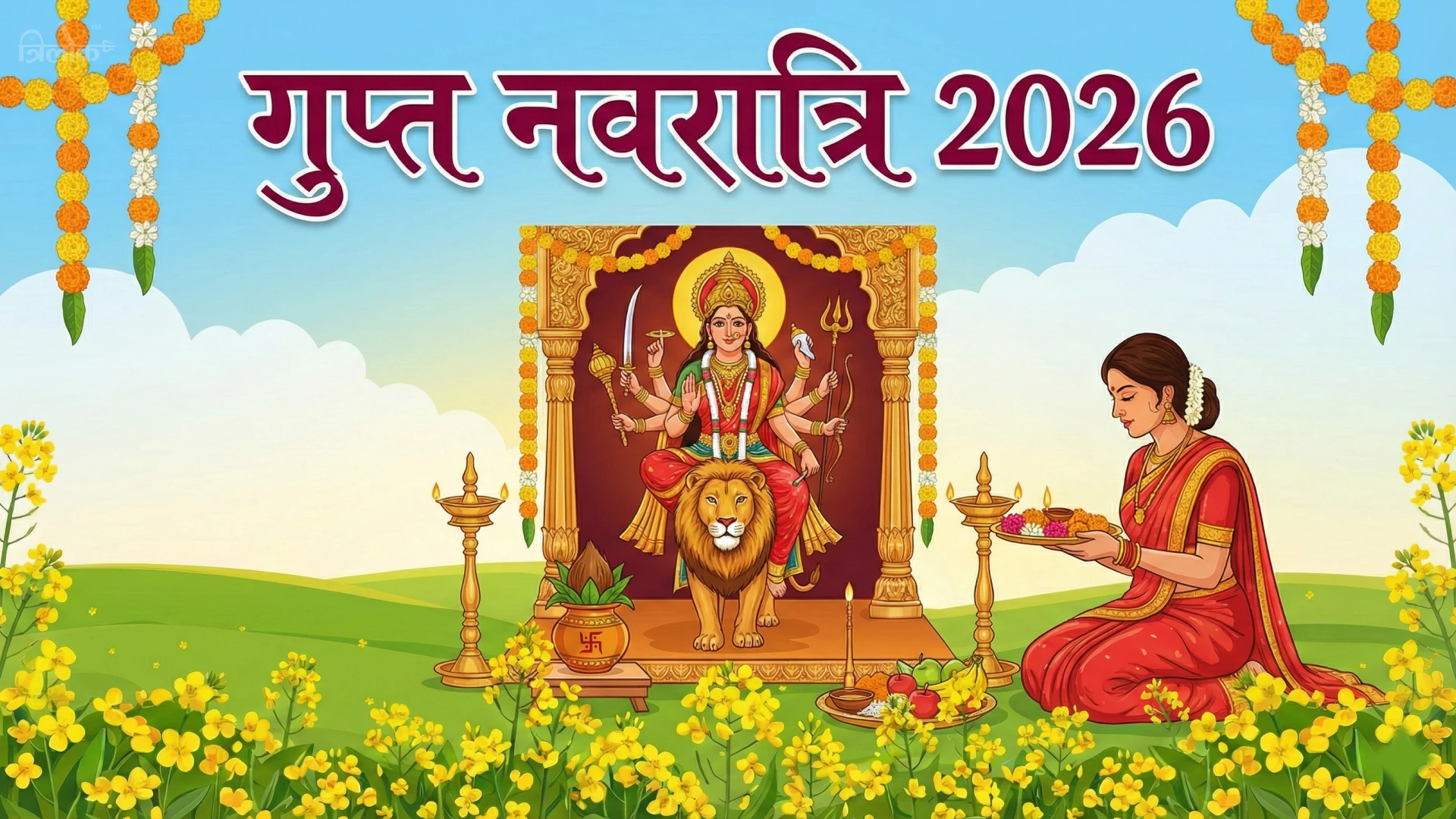


Each of the ten Mahavidyas represents a distinct cosmic energy. Offering specific Bhog (food offerings) to these goddesses according to tradition is believed to accelerate spiritual success and resolve worldly obstacles. Let’s explore the prescribed offerings for each form.
1. Bhog for Maa Kali and Maa Tara
Mahavidya Kali
Devotees worship Maa Kali during Gupt Navratri to attain Sadhana Siddhi. She is the destroyer of time and ego.
Primary Bhog: Pure Honey and Coconut. Honey is deeply loved by the Goddess and should be offered specifically after completing the main rituals.
Goddess Tara
The second power among the Mahavidyas, Goddess Tara, liberates her devotees from deep sorrows. She is revered in both Hinduism and Buddhism.
Primary Bhog: Items prepared in Mustard Oil, bay leaves, coconut, dry fruits, and Revdi (sesame sweets).
2. Offerings for Maa Lalita, Bhuvaneshwari, and Tripura Bhairavi
Goddess Lalita (Tripura Sundari)
Representing happiness and fortune, her worship removes financial obstacles. Reciting the Lalita Sahasranamavali during this time is highly effective.
Primary Bhog: White-colored food items such as Kheer, milk-based sweets, and white sugar drops. Distributing this bhog to the poor helps mitigate major planetary doshas.
Mahavidya Bhuvaneshwari
Worshipped for the welfare of creation, she grants knowledge and child-related happiness.
Primary Bhog: Malpua (sweet pancakes). This offering is considered the most effective for gaining her maternal grace.
Mahavidya Tripura Bhairavi
Known for destroying enemies and protecting the soul, she is a fierce form of the Divine Mother.
Primary Bhog: Jaggery (Gur) and raw sugar. Devotees must use red sandalwood in her worship to overcome legal hurdles and obstacles.
3. Bhog for Maa Chhinnamastika and Maa Dhumawati
Mahavidya Chhinnamastika
A central figure in Tantric traditions, she represents the transcendence of the mind.
Primary Bhog: Sweet Paan. Using honey-filled betel leaves holds special significance in her ritual offerings.
Goddess Dhumavati
Worshipped to destroy diseases and remove long-standing defects or “Nazar.”
Primary Bhog: Khichdi and oil-based savory foods. Both simple and heavy food items are prescribed in the scriptures for her.
4. Bhog for Maa Baglamukhi, Matangi, and Kamala
Goddess Baglamukhi (Pitambara)
The eighth Mahavidya, worshipped for victory in disputes and legal matters. Her essence is yellow.
Primary Bhog: Yellow-colored sweets, particularly those prepared from gram flour (Besan) and turmeric.
Mahavidya Matangi
The goddess of arts, music, and gentle wisdom. She is traditionally worshipped on the ninth day of Navratri.
Primary Bhog: Coconut-based sweets and various seasonal fruits.
Mahavidya Kamala
The tenth Mahavidya, she represents the benevolent form of Goddess Lakshmi, granting wisdom and material abundance.
Primary Bhog: Kheer enriched with Saffron (Kesar).
Summary of Gupt Navratri Rituals
While household devotees can worship the nine forms of Durga, the intense sadhana of the 10 Mahavidyas requires discipline. By offering these specific Bhog items, you align your energy with the cosmic power of the Mother Goddess during the unique transition of 2026.