

| Sacred Location | Specific Spot | Spiritual Significance |
|---|---|---|
| Gaya | Vishnupad Temple / Phalgu River | Redeems seven generations |
| Varanasi | Pishachmochan Kund | Grants a place in Shivlok |
| Haridwar | Kushavarta Ghat / Narayan Shila | Liberation from ghostly realms |
| Badrinath | Brahmakapal Ghat | Final Shraddha rituals |
Top 5 Sacred Pilgrimage Sites for Pitru Shraddha
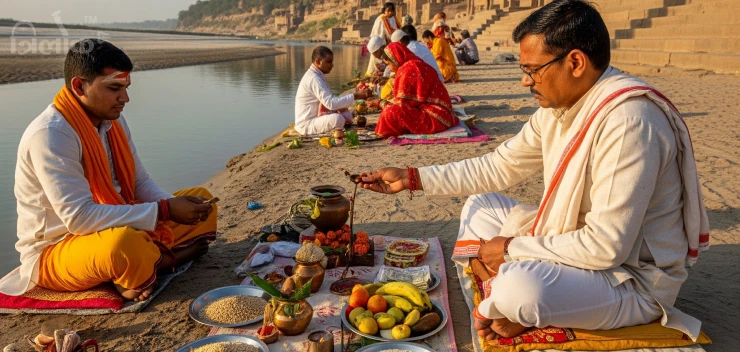
Scriptures describe certain locations as highly charged spiritual hubs where Tarpan and Pind Daan yield the most powerful results.
1. Gaya: The Greatest Pilgrimage for Ancestors
Gaya holds the highest importance among the seven sacred cities. Known as Mukti Dham, performing rituals at the Vishnupad Temple on the banks of the Phalgu River is believed to redeem seven generations of a family. It is the ultimate destination for those seeking ancestral liberation.
2. Varanasi: Pishachmochan Kund
In the city of Lord Vishwanath, the Pishachmochan Kund is essential. Tradition dictates that one should perform Tripindi Shraddha here before heading to Gaya. Rituals performed at Manikarnika Ghat are said to grant the departed soul a place in Shivlok.
3. Haridwar: Kushavarta Ghat and Narayan Shila
Haridwar is a primary hub for devotees arriving from far distances. Kushavarta Ghat is the traditional spot for Tarpan, while Narayan Shila is specifically for ancestors who may be suffering in “ghostly” or lower realms, helping them find peace.
4. Badrinath: Brahmakapal Ghat
According to Hindu belief, Brahmakapal Ghat is where Lord Shiva was freed from the sin of Brahmahatya. Many believe that the fruits of Shraddha performed here are even greater than those performed at Gaya, marking it as a site for final ancestral rituals.
5. Pushkar: The Brahma Temple Site
Pushkar is unique as it houses the world’s only temple dedicated to Lord Brahma. Legend says Lord Rama performed Shraddha for his father here. Priests suggest that rituals in Pushkar benefit seven generations of the current family and five preceding lineages.
How to Perform Pitru Shraddha at Home
If you cannot travel to a pilgrimage site during Pitru Paksha, the Garuda Purana provides guidelines for performing the rituals at home or in nature:
- Directional Rule: Always face the South direction while performing Tarpan. South represents Yamlok, the realm of the ancestors, ensuring your offerings reach them directly.
- Riverbanks and Oceans: Sitting beside any sacred water body is considered highly auspicious for Pind Daan.
- Gaushalas (Cow Shelters): Cow shelters are sacred grounds. Purify the area with cow dung and perform the rituals while facing South.
- Nature and Forests: Since forests represent the purity of nature, you can use fresh fruits, flowers, and forest water to perform Shraddha in the lap of the wild.
Conclusion
Whether you visit the Vishnupad Temple in Gaya or perform a sincere Tarpan in your own home, the key is devotion. By following these scriptural rules in 2026, you can ensure that your ancestors receive the peace and liberation they deserve. Om Shanti.