1351
Puja
Holashtak is a special period that lasts from the Shukla Ashtami to the full moon in the month of Phalguna. It spans eight days, during which all auspicious and religious activities are prohibited, such as weddings, housewarmings, opening new shops, etc. This period coincides with Holi, which is why it is called Holashtak. According to some beliefs, during this time, Lord Shiva burned Kamdev to ashes, marking the beginning of Holashtak. Other beliefs link Holashtak to the story of Hiranyakashyap and Prahlad.
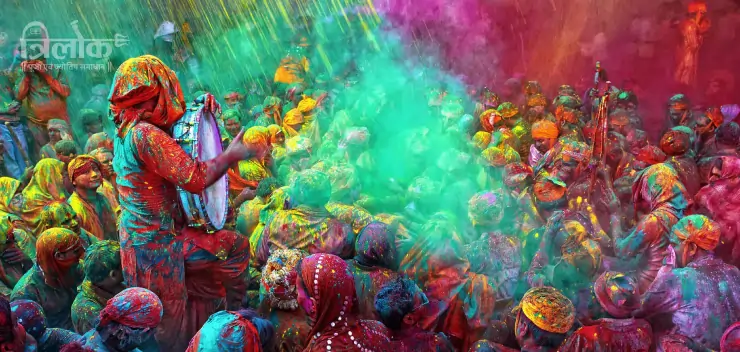
Some spiritual practitioners consider Holashtak to be part of a spiritual process. During these eight days, individuals can reach higher levels of knowledge through meditation and spiritual practices. Holashtak is not just a time for preparing for Holi, but it is also considered highly significant from religious and cultural perspectives. In 2025, Holashtak will begin on Friday, March 7, and end on Thursday, March 13, with Holika Dahan. This period is especially important in northern India and Punjab. Holashtak concludes with the celebration of Holi, marked by colors and gulal. It also signifies the arrival of the spring season, with the end of winter and the onset of summer. The fragrance of flowers makes nature festive.
During Holashtak, some activities begin, such as collecting wood for Holika Dahan. The location for Holika Pujan is selected, and the Holi stick is set up in villages. This tradition is still alive today. The place for Holika Dahan is chosen in the village’s square, and daily, wood is added to build a large pile that will be burned on the day of Holika Dahan. This period also emphasizes donations and fasting. Donating clothes, food, money, etc., is considered auspicious and is believed to bring relief from troubles and favorable results.
During Holashtak, performing any auspicious activities is prohibited, as it is considered inauspicious. There are three main reasons for this, tied to mythology, Kamdev, and astrology.
According to mythology, King Hiranyakashyap subjected his son Prahlad to severe tortures to turn him away from devotion to Lord Vishnu. On the eighth day, Holika, Hiranyakashyap’s sister, took Prahlad in her lap and sat in a fire, but she perished while Prahlad survived.
It is said that, at the request of the gods, Kamdev tried various ways to disturb Lord Shiva’s meditation for several days. In response, Lord Shiva burned Kamdev to ashes on the Shukla Ashtami of Phalguna. Kamdev’s wife, Rati, requested forgiveness for her husband’s act, and Shiva promised to revive Kamdev.
Astrologers explain that Holashtak falls during a time of seasonal change, when individuals may become vulnerable to illnesses, and their mental state might become depressed. Therefore, performing auspicious tasks during this period is avoided. However, it is considered a good time for fasting, worship, and performing havans.